
At the technological frontier of solid waste treatment, a silent energy revolution is taking place. When we turn our attention to the ultimate treatment solutions for special solid waste such as medical waste and hazardous waste, we find thathigh-voltage power supplieshave transformed from auxiliary equipment into theenergy heartof the entire process system. The core of this transformation isPlasma gasification technology— a cutting-edge technology that uses electrical energy to create temperatures as high as the surface of the sun, thereby completely restructuring waste.
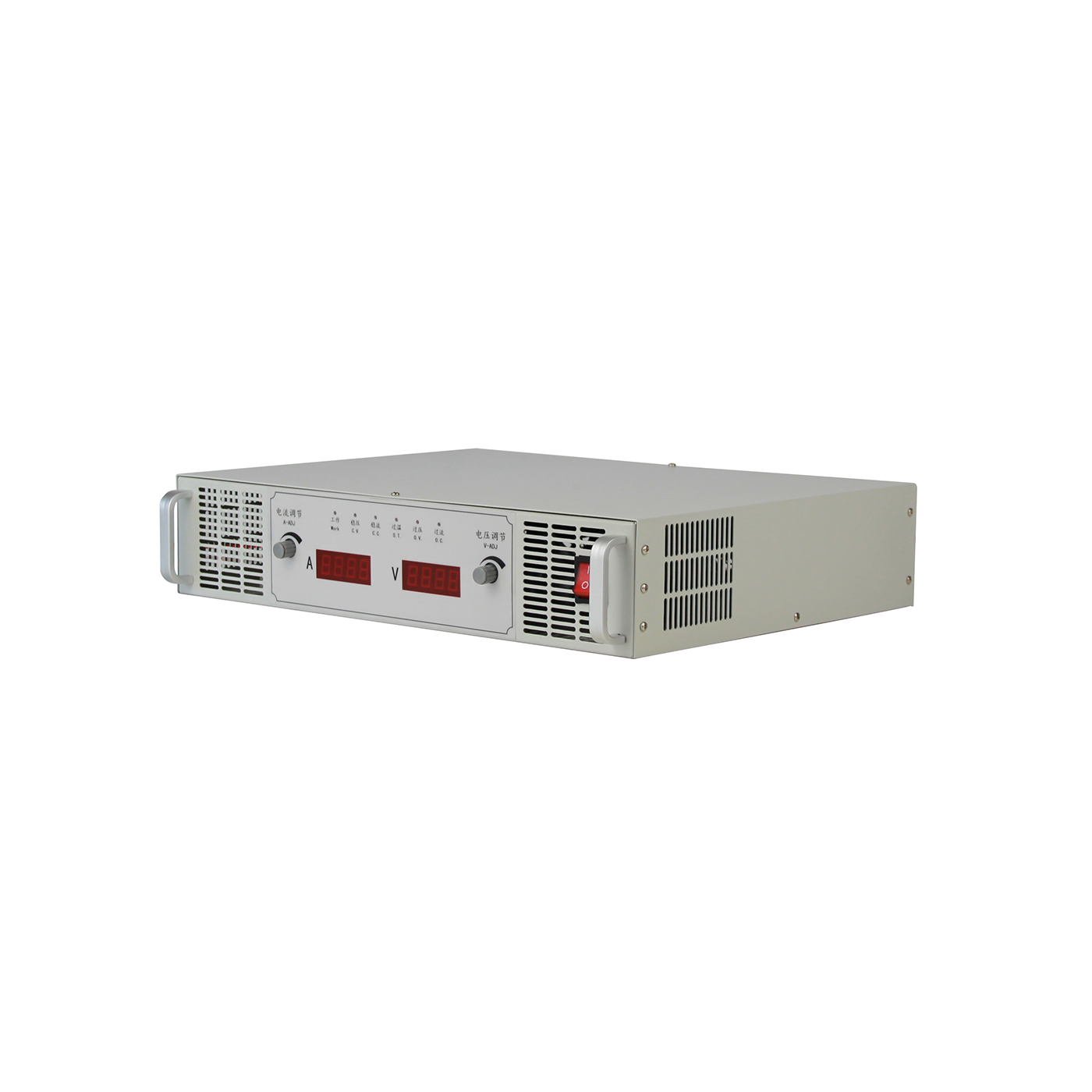
The core device of a plasma gasification furnace is the plasma torch, and what drives it is preciselyhigh-power high-voltage power supply. The power supply system outputs high voltages of several thousand volts or even tens of thousands of volts, breaking down the working gas and forming a directed plasma arc jet with temperatures as high as 5,000 to 10,000 degrees Celsius within the torch. This brilliant "artificial lightning" has an energy density sufficient to instantly deconstruct the chemical bonds of any substance. When complex wastes such as medical waste and chemical waste are fed into the reaction chamber and exposed to this extreme environment, their fate is completely rewritten: organic matter is cracked within milliseconds into synthesis gas composed mainly of carbon monoxide and hydrogen, becoming a recyclable clean fuel; while inorganic matter is melted into vitreous slag, in which harmful components such as heavy metals are permanently solidified, becoming stable and harmless.
The disruptive significance of this process lies in itsthorough transformation logic. It is not incineration in the traditional sense, but a molecular-level reconstruction carried out in an oxygen-limited environment. The lethal pathogens and viruses carried in medical waste, as well as the persistent organic pollutants in chemical waste, are completely destroyed under the ultra-high energy of plasma, eliminating from the root the generation of highly toxic byproducts such as dioxins. Ultimately, hazardous solid waste is converted into two types of products: first, syngas with energy value, and second, inert slag that can be used as building material. The volume reduction rate exceeds 95%, achieving a philosophical leap from "end-of-pipe treatment" to "resource conversion."
However, the prerequisite for achieving this perfect conversion is absolute control over the "fire of energy." This places demands onhigh-voltage power suppliesput forward nearly stringent requirements: it must providemegawatt-levelstable power output to maintain the continuous combustion of the plasma torch; it must haveextremely strong anti-interference capabilityto cope with the severe fluctuations in operating conditions caused by complex waste feeding; at the same time, it also needs to haveExtremely high electrical energy conversion efficiency, in order to control the enormous energy consumption cost of this process. The stability of the power supply directly determines whether the system can operate continuously and safely, and its control precision affects the entire chemical reaction pathway and the quality of the final product.
From a broader perspective, the in-depth application of high-voltage power supplies in this field precisely echoes the modern concept of "environmental power driving environmental processes." It provides a form ofextremely clean, absolutely controllable energy input, replacing the auxiliary fuels and complex chemical additives that may be relied upon in traditional treatment. By directly converting electrical energy into the high-grade thermal energy required to achieve molecular reconstruction, it leads the solid waste treatment industry toward a higher-level paradigm—namelyUse the precision and cleanliness of electrical energy to solve the complexity and pollution problems of material cycles.
Looking to the future, with the advancement of "zero-waste city" construction and the raising of "zero emission" requirements for hazardous waste, plasma with high-voltage power supplies as the core driving force shows us a future vision: in an era of deep integration of smart grids and renewable energy, high-temperature plasma driven by green electricity will become the technological force for achieving closed-loop material cycles and building a sustainable society.
 简体中文
 繁体中文
 Korean
 Japanese
 Russian